
General Dentistry · Bedfordview
Good general dentistry means more than fixing a tooth when something goes wrong. At MOD Dentistry, we focus on prevention, early diagnosis and careful restorative treatment to protect your oral health over the long term.
Routine check-ups, cleaning, fillings, root canal treatment, extractions and dentures all start with understanding what your mouth actually needs.
Explore General Dentistry
Check-Ups · Cleaning · Fillings · Root Canal · Extractions · Dentures · Sealants · Sedation
Regular dental care lets us find changes before they become bigger problems. At a general dental examination we look at your teeth, gums, existing fillings and crowns, signs of wear, your bite, and any symptoms or concerns you have. Where needed, X-rays or other diagnostic images can show what an examination alone cannot.
Our approach is simple: understand first, treat second. When treatment is needed, we aim to keep as much healthy tooth as possible, restore comfortable function, and recommend options that make sense for your oral health in the long run.
01
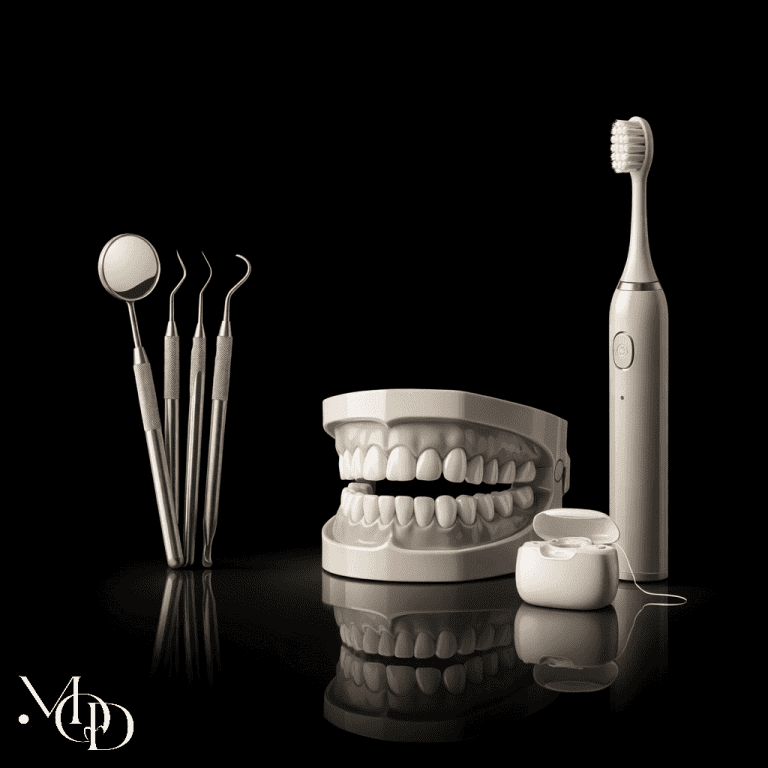
Routine dental examinations are the foundation of preventive care.
During your visit we check your teeth and gums, existing fillings and crowns, signs of wear, possible decay, cracks, and other changes that could affect your oral health or comfort. Where clinically appropriate, we may recommend X-rays or other diagnostic information to pick up problems that can’t be seen during the examination.
Regular check-ups catch small problems before they cause pain or need extensive treatment. How often you need one depends on you. We’ll recommend an interval based on your oral health, medical history and risk factors.
02
Healthy teeth depend on healthy gums. Even with good home care, plaque and hardened deposits (tartar) build up in places that are hard to clean.
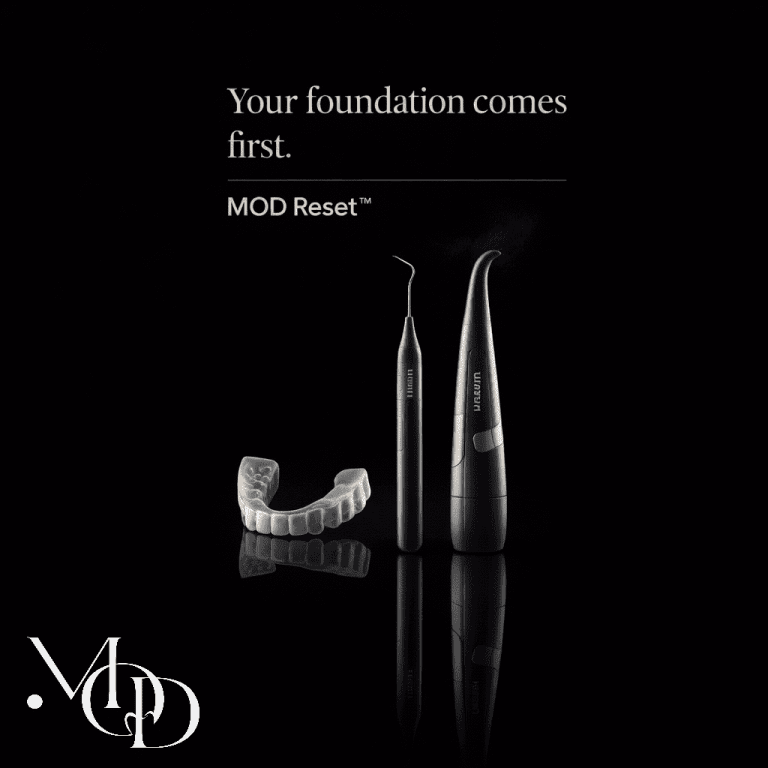
Our professional cleaning uses Guided Biofilm Therapy: a gentle, systematic approach that removes plaque and bacteria above and below the gumline using airflow technology and precision instruments. It’s thorough, comfortable and shows us which areas need more attention at home.
Preventive care may also include advice on:
This is the thinking behind MOD Reset™: prevention should be thorough and comfortable, and it should start before problems develop.
03
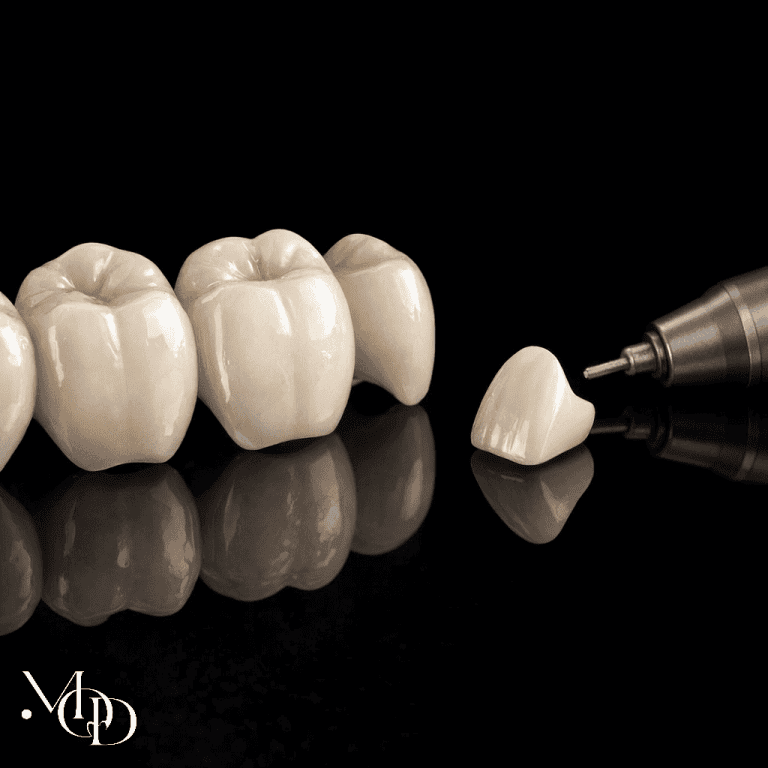
Decay, chips, small fractures and worn areas don’t always need extensive treatment. Where appropriate, we repair damaged areas with tooth-coloured materials and keep as much healthy tooth as possible.
The right restoration depends on how much of the tooth is left, where it sits in your mouth, how much force it takes when you bite, and the condition of the tooth around it.
A direct filling is often enough for smaller areas. If a tooth has lost more of its structure, we may recommend an onlay or crown to protect it better. The goal is to restore the tooth so it works comfortably and stays stable for years to come.
04
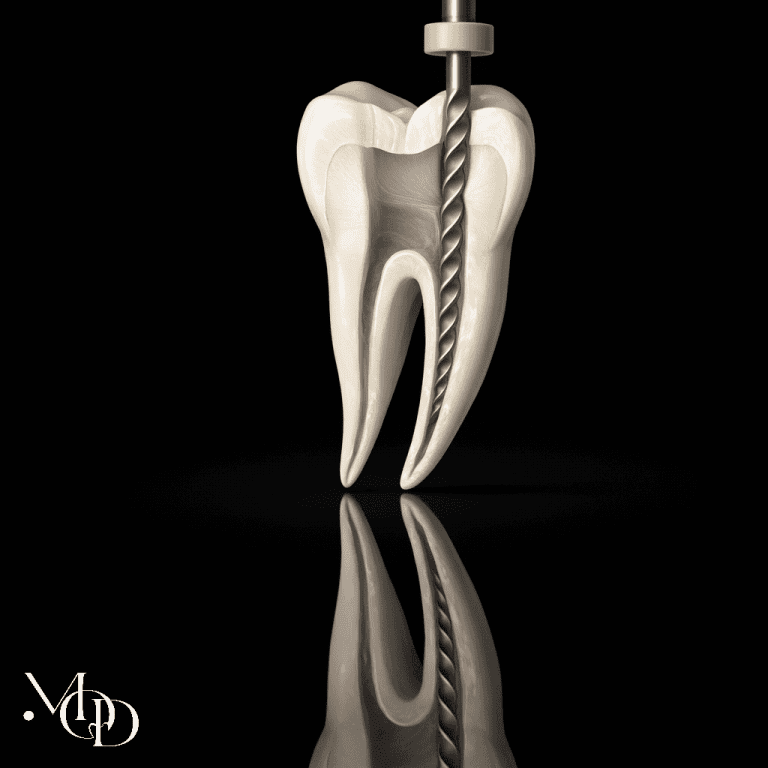
Root canal treatment can often save a damaged or infected tooth instead of removing it.
Inside every tooth is soft tissue containing nerves and blood vessels. Deep decay, cracks, injury or repeated dental work can cause this tissue to become severely inflamed or infected. Possible symptoms include:
Some teeth that need root canal treatment cause no obvious symptoms at all.
Treatment removes the infected or inflamed tissue from inside the tooth, cleans and disinfects the canals, and seals them to reduce the risk of reinfection. Afterwards the tooth still needs a proper restoration, and may need an onlay or crown for extra protection.
No. Before recommending root canal treatment, we check whether the tooth can be reliably restored and whether the surrounding bone and gums give it a good long-term outlook. If not, we’ll discuss extraction and replacement options instead.
05
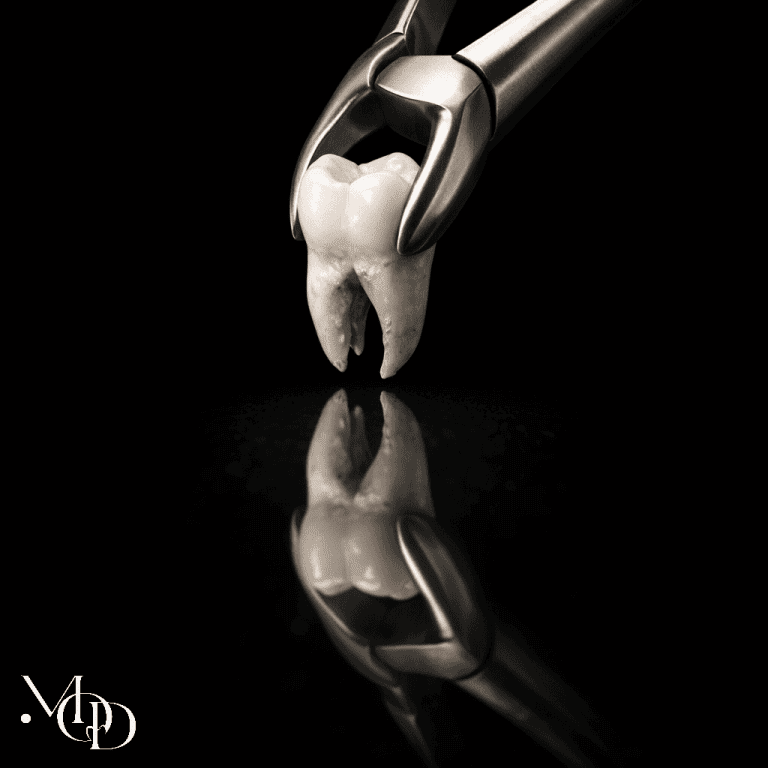
We always prefer to keep a natural tooth when that is realistic and appropriate. Sometimes, though, removing it is the better option. An extraction may be recommended when a tooth is:
This decision always follows a proper examination and, where needed, X-rays. Where a tooth is broken or difficult to reach, including some wisdom teeth, a surgical extraction may be needed. We’ll explain what’s involved beforehand.
We’ll explain how to care for the area while it heals and what to expect during recovery. If the missing tooth affects your appearance, chewing or the stability of nearby teeth, we’ll talk through replacement options such as a partial or complete denture, a dental bridge or an implant-supported restoration.
06
Missing teeth can affect more than your appearance. They can make chewing and speaking harder, affect your confidence, and change the way your remaining teeth work together. Dentures remain a practical and effective way to replace missing teeth for many patients.
A partial denture replaces some missing teeth and works alongside your remaining natural teeth.
A complete denture replaces all the teeth in your upper or lower jaw.
A good denture does more than fill a gap. Its fit, support and appearance, how it meets your bite, and the condition of the gums underneath all affect comfort and function. New dentures take some getting used to, and regular check-ups matter because the mouth changes over time.
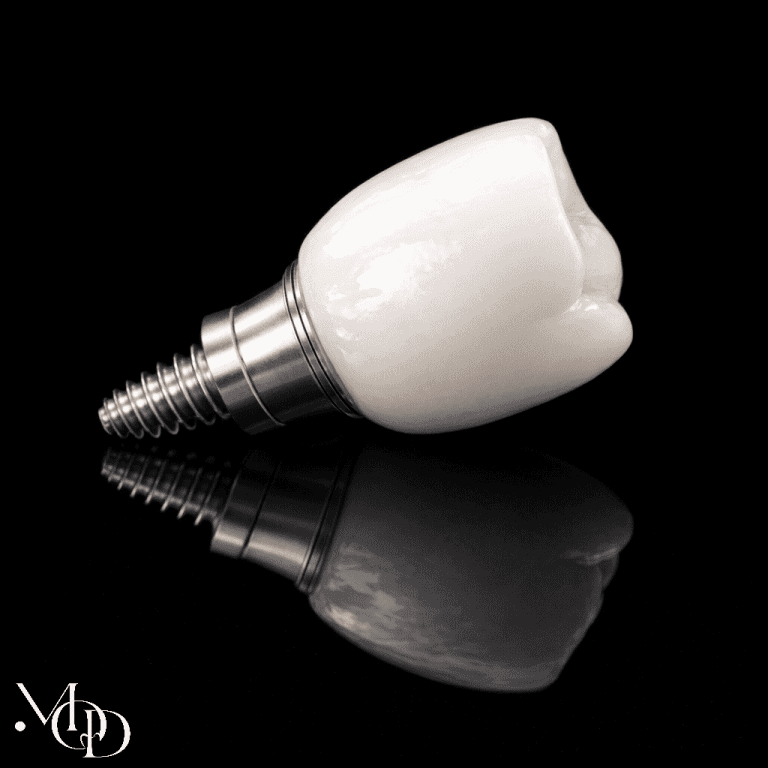
Some patients may also be suited to a bridge or an implant-supported restoration. The best option depends on your oral health, how many teeth are missing and where, the bone available, and your expectations.
07
Preventive dentistry aims to stop problems before they start. Depending on your risk, preventive care may include professional cleaning, fluoride, home-care advice and dental sealants.
The chewing surfaces of back teeth often have deep grooves that are hard to clean properly. A dental sealant is a thin protective coating placed over these grooves. It makes them easier to keep clean and helps reduce the risk of decay.
Sealants are especially useful for children’s and teenagers’ permanent back teeth. For preventive care designed around children, visit our Paediatric Dentistry page.
08
Many people feel anxious about dental treatment, and that anxiety can make even routine care hard to face. Avoiding the dentist often turns small problems into bigger ones.
The first step is always a conversation. Telling us what worries you lets us explain each step clearly, work at a pace that suits you, and plan treatment around your comfort.
For suitable patients and procedures, conscious sedation can help you feel calmer and more relaxed. You stay awake and able to respond during treatment. Whether sedation is right for you depends on the planned treatment, your medical history and an individual assessment. Before treatment we’ll explain:
Please tell us about any dental anxiety when you book, so we can plan your visit accordingly.
Your Visit at MOD Dentistry
We don’t treat teeth in isolation. We consider your concerns, dental history and relevant medical information alongside an examination of your teeth, gums, existing dental work, bite and signs of wear. Then we explain: what we found → why it matters → your options → what can wait → what should come first.
For a deeper look at bite, jaw tension and how your oral health connects to the rest of your body, see Integrated Dentistry.
Your dental needs change throughout life. For children, the focus is on prevention and positive visits; adults often need a mix of preventive and restorative care; later in life, protecting existing dental work and replacing missing teeth become more important.
Visit our Paediatric Dentistry page for children’s care, or explore Aesthetic Dentistry to improve the appearance of your smile.
Frequently Asked Questions
It depends on the person. We’ll recommend a check-up interval based on your oral health, previous treatment, medical history and risk factors.
No. We only take X-rays when they’re needed for diagnosis or monitoring.
Not always. Depending on the problem and how much of the tooth is left, it may be restored or treated with a root canal. In other cases, extraction is the more reliable option.
Yes. Decay, gum disease, cracks and even some infections can develop without much pain. Regular check-ups catch problems early.
Tell us when you book. We’ll explain everything clearly, work at a comfortable pace, and discuss options such as conscious sedation if you’re suitable.
Partial dentures, which replace some missing teeth, and complete dentures, which replace all the teeth in an upper or lower jaw.
Yes. MOD Dentistry treats children and families. See our Paediatric Dentistry page.
MOD Dentistry, Bedfordview Medi Suites, 40A Nicol Road, Bedfordview.